
A Homeowner's Guide to Building an ADU in Austin: Permitting & Construction
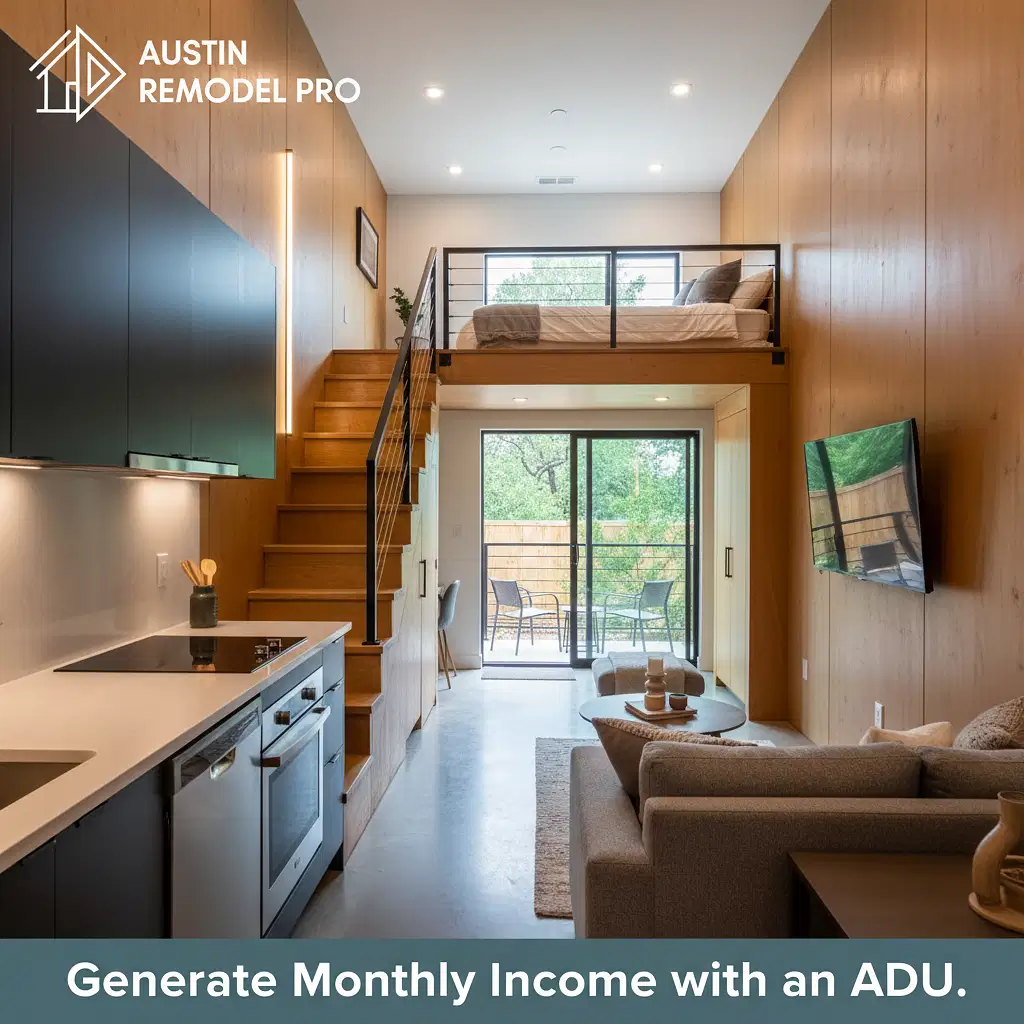
Accessory Dwelling Units (ADUs) are transforming backyards across Austin. Whether you call it a granny flat, a backyard cottage, or a guest house, these versatile structures offer incredible potential—from generating rental income to creating a private space for family. But while the idea is exciting, navigating the construction and permitting process can feel daunting. The rules are specific, and the steps can be complex.
That's where we come in. As experienced local builders, we've guided many Austin homeowners through this journey. This guide will demystify the process, breaking down the key steps for permitting and building an ADU on your property, so you can move forward with confidence.
Understanding Austin's ADU Rules
Before you can break ground, it's crucial to understand what qualifies as an ADU in the eyes of the City of Austin. An ADU is a secondary, smaller home built on the same lot as a primary single-family residence. While regulations are always evolving to encourage more housing options, there are still key requirements to meet.
These typically include:
- Size and Height Limits: There are restrictions on the maximum square footage and height of the ADU, often relative to the size of your main house and lot.
- Setbacks and Placement: Rules dictate how far the ADU must be from property lines, the main house, and other structures.
- Zoning Requirements: Your property's zoning designation is the first thing to check, as it determines if an ADU is even allowed.
- Parking: You may be required to provide an additional off-street parking space, though some exemptions exist.
Determining your property's eligibility is the foundational first step. An experienced general contractor can perform a feasibility study to review your specific lot and local codes, saving you time and potential headaches.
Navigating the City of Austin Permitting Process
Securing the right permits is often the most intimidating part of any construction project. For an ADU, the process is meticulous and requires a deep understanding of local building codes. While your contractor will handle the submissions, knowing the roadmap is helpful.
- Design & Architectural Plans: The process begins with professional architectural plans. These detailed drawings show everything from the floor plan and elevations to electrical, plumbing, and structural details. They must be compliant with all relevant Austin building codes.
- Permit Application Submission: Once the plans are complete, they are submitted to the City of Austin's Development Services Department. This package includes the plans, engineering reports (if required), and various application forms.
- City Review: Multiple city departments will review your application. This can include zoning, drainage, structural, and even Austin Energy for green building standards. Reviewers may provide comments or request revisions, which your design and construction team will address.
- Permit Issuance: After all departments have approved the plans, the building permit is issued. Only then can construction officially begin.
This process requires patience and precision. A small error in the plans can lead to significant delays. Working with a team that has a strong track record of successful permit applications in the ATX area is essential for a smooth start to your new build.
Key Construction Phases for Your ADU
With permit in hand, it's time to bring your vision to life. The construction of an ADU follows a similar path to other home additions, involving careful coordination of skilled tradespeople and materials.
Key phases include:
- Site Preparation & Foundation: Clearing the land, grading, and pouring the concrete foundation that will support the structure.
- Utility Connections: This is a critical and often complex step. It involves trenching and connecting water, sewer, and electrical lines from the main service points to the new ADU. Proper planning here is vital to avoid disrupting existing services.
- Framing, Roofing, and Exterior Finishes: The skeleton of the home goes up, followed by the roof, windows, doors, and siding. This is when the structure begins to look like a real home.
- Interior Rough-Ins & Finishes: Plumbers, electricians, and HVAC technicians run all the necessary lines inside the walls. After inspections, insulation and drywall are installed, followed by flooring, painting, cabinetry, and fixtures.
- Final Inspections: The city will conduct a series of inspections throughout the process to ensure all work is done to code. A final inspection is required before the ADU can be officially occupied.
Throughout this process, clear communication and professional project management are key to staying on schedule and on budget. This is a core principle at Austin Remodel Pro, ensuring you're informed and confident every step of the way.
Your Partner for a Seamless ADU Project
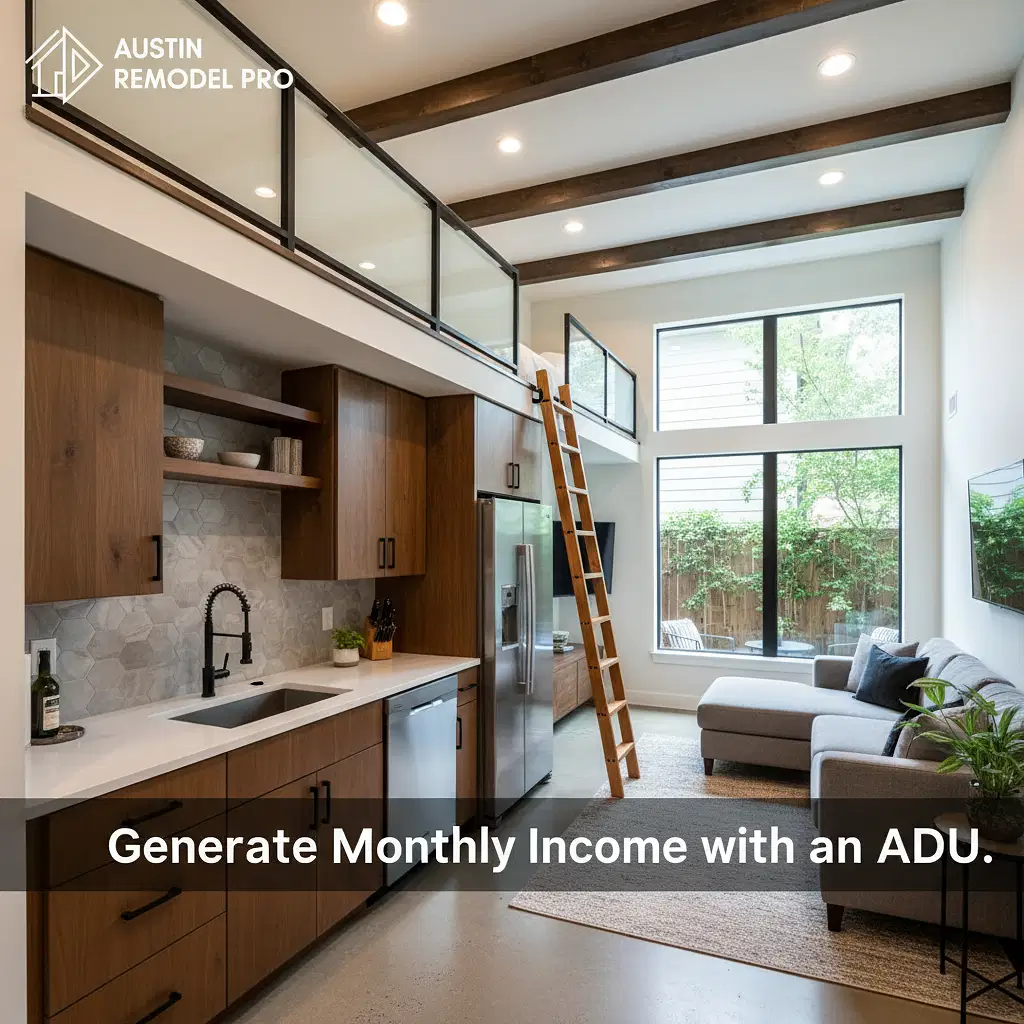
Building an ADU is a significant investment that can add tremendous value and flexibility to your property. From understanding the initial cost factors to navigating the final inspection, the process is filled with important details. The complexity of permitting, supply chain logistics, and subcontractor coordination highlights the importance of choosing the right partner.
At Austin Remodel Pro, we specialize in making complex projects like ADU remodeling and construction feel straightforward for our clients. Our design-build approach streamlines the entire process, ensuring transparency and quality from the first sketch to the final walkthrough.
If you're ready to explore the possibilities for your Austin property, we're here to help. Contact us today to schedule a consultation and take the first step toward creating your perfect backyard home.